Kitchen Countertop Material Checklist: Heat, Stains, Maintenance, and Budget
Most countertop decisions get made twice. The first time happens in a showroom, under warm lighting, with a salesperson sliding a sample across a table. The second happens six months later, when someone sets a screaming-hot skillet down without looking and you find out what the surface actually thinks about it. This checklist is built for that second moment. Work through it before you fall for a particular slab.
Start With How Your Kitchen Actually Runs
Ignore the Pinterest version of your kitchen for a minute. Think about last Tuesday: who cooked, what got spilled, and did anyone bother with a coaster. The gap between the counter you admire and the counter you can live with usually comes down to three habits — how you handle heat, how you handle spills, and how much patience you have for upkeep.
Answer these honestly before you shop:
- Who cooks, and how often? A household that cooks twice a week has different demands than one running three meals a day.
- Where do hot pans land? If a trivet rarely makes it to the counter, heat resistance moves up your list.
- What spills most? Coffee, red wine, olive oil, tomato sauce, food dye, and turmeric are the usual suspects. Some leave marks; some don't.
- Do you want to wipe and forget, or are you happy to fuss? Both answers are fine. They just point to different materials.
- Will you chop, knead, or roll dough directly on the surface? Soft materials scratch; hard ones dull knives.
- How long are you staying? A five-year kitchen and a forever kitchen justify different spending.
Heat: What Each Material Tolerates
Heat damage is the most expensive mistake people make, because it often can't be repaired without replacing the piece.
Natural stone generally handles heat well. Granite, quartzite, and soapstone will take a hot pot far better than most alternatives, though any stone can crack from thermal shock — a hot pan hitting a cold spot, or cold water poured onto a hot surface. Engineered quartz is the common surprise here: it's tough, non-porous, and stain-resistant, but the resin binder means a hot pan can scorch or dull the finish permanently. Solid surface materials like Corian can scorch and melt. Laminate can blister or peel. Wood scorches and can leave a permanent ring. Concrete may spall or crack at the surface. Tile handles heat easily, but the grout in between is a different story.
Practical rule: choose for heat tolerance if you know yourself, but keep trivets within arm's reach anyway. It's cheaper than a new countertop.
Stains, Etching, and Everyday Spills
Staining and etching are two separate problems, and people often confuse them.
Staining happens when a porous surface absorbs colour — oil, wine, or beet juice sinking into stone or unsealed concrete. Etching is chemical damage: acid from lemon, vinegar, or wine dulls the surface of marble and other calcium-based stones, leaving a pale mark that no cleaner will remove. Polishing it out is a job for a stone professional.
Non-porous surfaces — engineered quartz, porcelain, stainless steel, and most solid surface materials — shrug off both. Wood stains and shows water rings. Stainless steel doesn't stain but shows every fingerprint and smudge. Soapstone develops a dark, uneven patina as it's oiled, which some people love and others can't stand. If a uniform look matters to you, patina is a dealbreaker rather than a feature.
Maintenance: Match It to Your Cleaning Habits
Be blunt about how you clean. Maintenance requirements are where good intentions go to die.
- Low effort: engineered quartz, porcelain, stainless steel, and laminate need only soap, water, and a soft cloth.
- Periodic sealing: granite, quartzite, and concrete usually need resealing — check with your fabricator how often, since sealers vary widely.
- Regular oiling: butcher block and soapstone need oil to stay healthy and look consistent.
- Careful cleaning: avoid acidic or abrasive cleaners on natural stone, and skip harsh scrubbing pads on anything glossy, including quartz and stainless.
Ask the fabricator for the exact cleaning routine in writing, then read it. If the instructions sound like a chore you'll skip by week three, pick something else.
Budget: Look Past the Slab Price
The slab is only part of the bill. Two materials with similar square-foot pricing can land hundreds apart once the details are added. When you get quotes, confirm whether these are included:
- Template measurement and fabrication
- Edge profile and any decorative edges
- Sink and faucet cutouts, plus undermount sink support
- Removal and disposal of the old countertop
- Disconnecting and reconnecting plumbing and the dishwasher
- Backsplash material, height, and installation
- Seams, and how many you'll see
- Thickness and edge build-up
- Cabinet reinforcement, if the new surface is heavy stone
- Lead time, and whether you need a temporary surface while you wait
Also budget for the long term: resealing supplies, specialty cleaners, and the possibility of a professional repair. Ask for itemised quotes from at least two fabricators so you can compare like with like. If a quote looks unusually low, find out what was left out. For anything involving structural changes, cabinet support, or major plumbing, get a qualified professional to assess it before work begins.
Test Samples Before You Commit
Samples are free or inexpensive, and an afternoon of testing beats a year of regret. Try this:
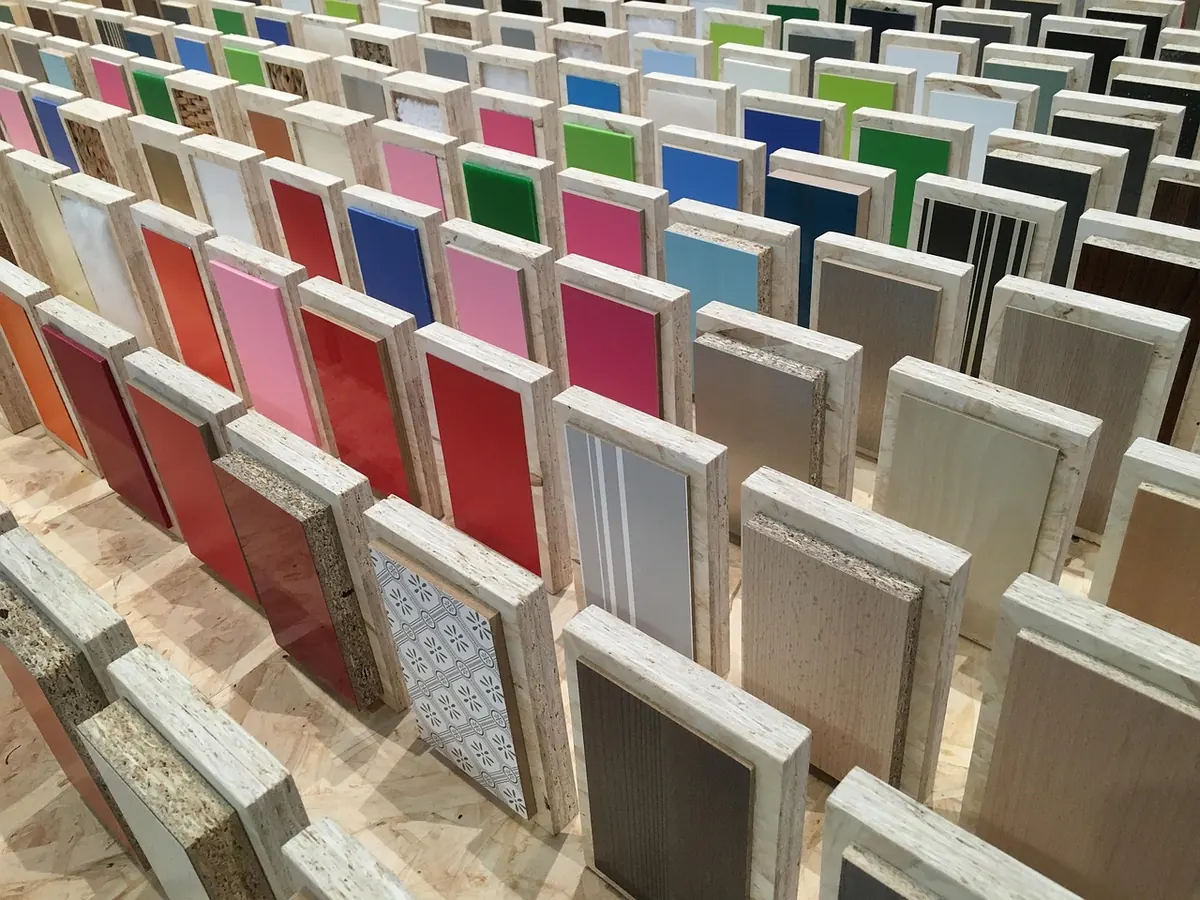
- Get physical samples of your top three materials — not photos.
- Tape them to the counter where you actually work, and leave them for a week.
- Apply coffee, olive oil, red wine, lemon juice, and a pinch of turmeric. Leave each for a few hours, then wipe.
- Set a warm pot on part of each sample (check with the supplier first, and use a surface you can sacrifice).
- Scratch one corner lightly with a knife to see what a careless moment looks like.
- Note how each sample cleans up, and whether the mark came off or settled in.
Look at the samples in daylight and in your kitchen's evening light. Colour shifts more than you expect.
Making the Call
Rank your four priorities — heat, stains, maintenance, budget — and let the top two decide. A busy household with hot pans and no patience for sealing usually lands on quartz or granite. A baker who wants a soft, repairable surface might choose butcher block and accept the oiling. Someone chasing the look of marble may decide the etching is part of the charm.
None of these are wrong answers. They're just different trades. Make the trade knowingly, keep a trivet and a soft cloth nearby, and the counter you choose will still look like a good decision years from now.
Photo: Picudio / Pixabay